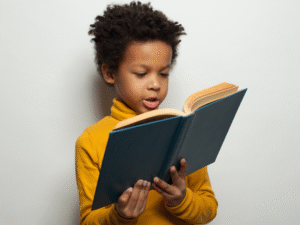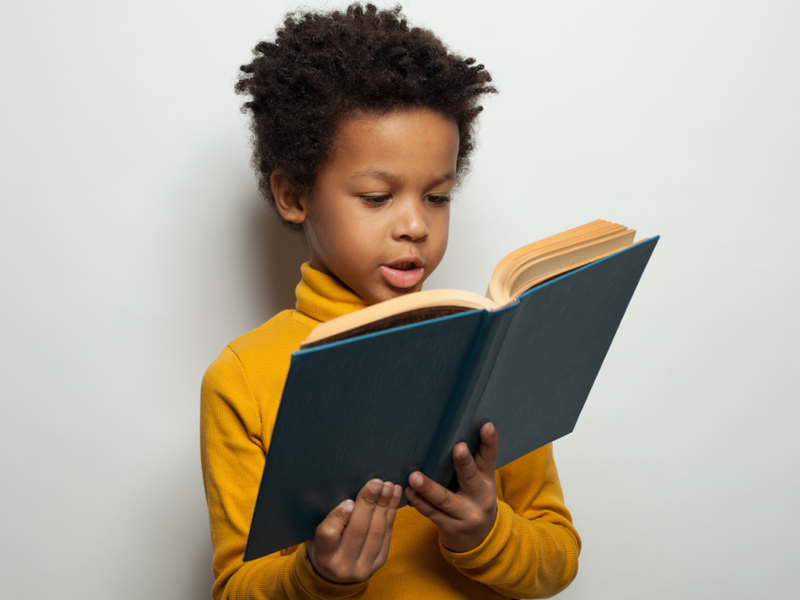
Children today absorb countless messages from media, classrooms, peers, and even family, making it essential for young Black girls to have stories that affirm who they are. Representation is not just a social concept; it directly influences emotional health, confidence, and self-perception. When young Black girls see characters who look like them, speak like them, and celebrate the qualities they possess, it reinforces the belief that their natural beauty is worthy, powerful, and meaningful. Today, the need for inclusive, empowering storytelling has never been greater.
The Power of Identity Formation in Early Childhood
During early childhood, identity is extremely malleable. Kids begin to form opinions about themselves based on what they hear, what they see, and how others respond to them. For young Black girls, this period is especially significant because they often encounter societal messages that do not reflect or uplift their features—deep skin tones, textured hair, full lips, and other defining traits.
When stories celebrate these features, they serve as emotional anchors. Instead of questioning their appearance, young Black girls learn to recognize their natural beauty as something to take pride in. This early affirmation plays a crucial role in long-term confidence and mental well-being.
Representation Validates Beauty, Identity, and Worth
Representation is more than visibility. It is an acknowledgment that a child’s existence matters. When Black girls are shown narratives where they are central, valued, and portrayed beautifully, it counteracts the underrepresentation often seen in mainstream media. Stories that highlight natural beauty do the following:
1. Reinforce Self-Acceptance
Seeing characters with similar features promotes a healthy self-image. It tells a child, “Your skin tone is brilliant,” or “Your curls are perfect the way they are.”
2. Break Harmful Beauty Stereotypes
For generations, narrow beauty standards have been promoted worldwide. Stories that uplift Black beauty help dismantle stereotypes and expand what society views as beautiful.
3. Encourage Pride in Cultural Heritage
Narratives that celebrate natural features allow young girls to embrace their roots, traditions, and identity without feeling pressured to conform to external expectations.
4. Strengthen Emotional Resilience
When confidence is built early, children become more resilient to negative comments, comparisons, and social challenges as they grow.
Addressing Colorism and Its Emotional Impact
Colorism remains a painful reality in many communities. Young Black girls, especially those with darker skin tones, may face teasing, exclusion, or microaggressions from peers or the media. Without guidance, these experiences can deeply influence self-esteem.
Stories that affirm darker skin tones—describing them as radiant, warm, rich, or regal—play an important corrective role. They reshape a harmful narrative and promote emotional healing. Children learn that their complexion carries history, strength, and beauty, and is not something to hide or question.
Affirming stories also give parents and educators tools to start meaningful conversations about diversity, respect, and empathy.
Beauty Beyond Appearance: Teaching Inner Strength
Celebrating natural beauty does not stop at physical features. Empowering stories show Black girls as smart, bold, curious, creative, gentle, or brave. These narratives highlight the whole child, not just her appearance.
When stories combine physical celebration with emotional or spiritual strength, they help shape well-rounded confidence. A young girl learns not only to appreciate her exterior features but also to honor her voice, her gifts, and her character.
Nature, Imagery, and Positive Symbolism Matter
Children respond well to imagery, symbolism, and relatable metaphors. Stories that connect natural beauty to elements like sunlight, rich soil, blooming flowers, or glowing earth tones create uplifting emotional associations. These symbolic representations accomplish two things:
- They make the message memorable. Children can visualize themselves as strong as a tree, bright as the sun, or unique as a rare flower.
- They create a gentle, nurturing environment. Kids feel safe exploring their emotions when the story world feels magical, warm, and supportive.
Positive symbolism helps reinforce internal beliefs about self-worth, identity, and personal value.
Creating a Foundation for Future Confidence
Confidence developed early is confidence carried for life. When young Black girls grow up knowing their natural beauty is celebrated—not tolerated—they step into the world with strength. They become:
- More willing to speak up
- More comfortable in their skin
- More resilient to criticism
- More proud of their cultural identity
- More capable of advocating for themselves and others
These are not small outcomes. They shape future leaders, artists, thinkers, and dreamers who confidently contribute their gifts to the world.
Why These Stories Matter to Every Child
Although these narratives primarily uplift young Black girls, their impact extends beyond one group. Inclusive storytelling teaches all children the value of diversity. It encourages empathy, reduces bias, and builds environments where differences are respected.
When children grow up reading stories that honor a range of skin tones, hair textures, and cultural backgrounds, the result is a more understanding, compassionate society.
Final Thoughts
Young Black girls deserve stories that affirm their beauty, strength, and uniqueness. They deserve narratives that show them as heroes, dreamers, creators, leaders, and loved individuals. When storytelling celebrates its natural beauty, it plants seeds of confidence that grow throughout their lives.
These stories do more than entertain—they empower, educate, and heal. And in a world that often tries to define beauty in narrow terms, they remind young Black girls that who they are is already extraordinary.